Review: There is No Gain Without Struggle Retro Embroidery Design
As a designer who spends half the day in front of a screen and the other half watching my embroidery machine stitch, I have learned to be skeptical of digital files that promise too much. When There is No Gain Without Struggle Retro landed on my desk for evaluation, I didn’t just look at the preview image; I thought about how it would translate from a vector graphic into thread. This isn’t just another motivational quote file; it is a design asset that carries weight, both visually and emotionally. For those of us in the Crafts and Graphics sectors, knowing whether a design will hold up in real-world application is the difference between a satisfied customer and a return request.
First Impressions and Visual Personality
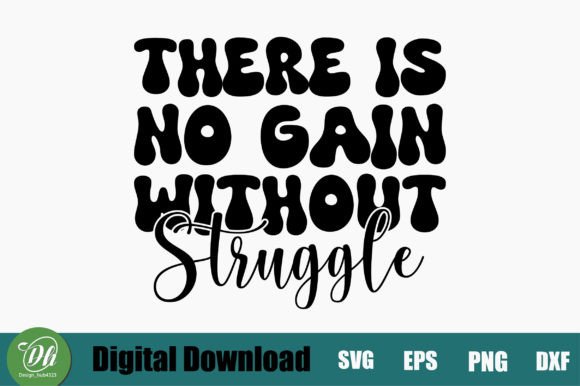
The moment you open the folder containing the There is No Gain Without Struggle Retro design, the mood is immediately established. The retro aesthetic suggests a vintage feel, likely drawing from mid-century typography or distressed textures common in 70s and 80s graphic design. This style is not subtle. It commands attention. In the world of handmade products, subtlety can sometimes get lost, but this design has a bold visual personality that translates well to fabric.
From a design perspective, the layout feels balanced. The phrase "There is no gain without struggle" is heavy with meaning, and the retro treatment softens the blow slightly, making it approachable rather than aggressive. This balance is crucial for custom apparel and personalized gifts. If the design were too harsh, it might alienate buyers looking for nursery decor or gentle home accents. Instead, it strikes a chord of resilience that appeals to adults, entrepreneurs, and anyone navigating a challenging season in life. The visual weight of the text suggests it will perform best as a central focal point, whether on the chest of a sweatshirt or centered on a tote bag.
Real-World Application: From Screen to Stitch
I often test designs by imagining specific end-products before I even touch the hoop. For There is No Gain Without Struggle Retro, my mind went straight to two distinct categories: professional wear and cozy comfort items.
Imagine a small boutique selling branded merchandise for local gyms, therapy practices, or entrepreneurial workshops. A black or charcoal heathered sweatshirt featuring this design stitched in cream or mustard yellow thread creates an instant sense of community and shared purpose. The retro vibe fits perfectly with current trends in streetwear and casual professional attire. It signals strength without shouting. Similarly, for the Etsy seller specializing in gifts for women or new moms, this design offers a sophisticated alternative to typical baby quotes. It acknowledges the hard work of parenting or career-building, resonating deeply with modern consumers who value authenticity over cliché.
When considering tote bag design applications, the durability of the message matches the utility of the product. A canvas tote embroidered with this phrase becomes more than a shopping bag; it becomes a statement piece. However, the success of this application depends heavily on thread selection. The contrast between the dark fabric and the light thread must be sharp to ensure the retro details remain legible after washing.
Technical Performance and Stitch Considerations
Not all embroidery files are created equal, and understanding how There is No Gain Without Struggle Retro handles different stitch types is vital for a clean finish. Designs with heavy text blocks often suffer from puckering if the stitch density is too high. While the exact technical specifications like stitch count should be verified in the source file, generally, retro-style text relies on thick outlines or block fills.
If this design utilizes a satin stitch for the lettering, ensure your hooping is secure to prevent shifting. Satin stitches on curved surfaces, such as caps or hats, require careful tension adjustment. If the design incorporates fill stitch areas, check that the underlay is sufficient to stabilize the fabric. For textured fabrics like fleece or terry cloth, which are popular for aprons and kitchen towels, this design might lose some of its crispness. The intricate lines of a retro font can get swallowed by the nap of the fabric. In such cases, a stabilizer is non-negotiable, and you may need to trim excess backing carefully to maintain the design's integrity.
Another critical factor is the size of the final product. On a small hoop size limitation, the text must remain large enough to read. If the design is scaled down too much for a baby embroidery project, the "struggle" aspect might become illegible, defeating the purpose of the message. Always inspect small details and tiny lettering in a black and white mockup first. This simple step helps identify if any parts of the design will merge together during stitching, ensuring clarity before you waste expensive thread.
Where Caution is Required
While versatile, there are scenarios where There is No Gain Without Struggle Retro requires careful handling:
- Stretchy Fabrics: Avoid using this design on thin, highly stretchy materials like spandex blends without a strong tear-away or cut-away stabilizer. The tension of the thread can cause the fabric to pucker excessively.
- Dense Stitch Areas: If the design includes dense fill patterns, be mindful of needle penetration. Too many layers can make the finished product stiff and uncomfortable against the skin, particularly for apparel decorators working on sensitive garments.
- Curved Surfaces: Applying this to the front panel of a baseball cap requires precision. The curvature can distort straight lines, so testing on a scrap piece of hat material is essential to judge the visual impact.
- Frequent Washing: For commercial embroidery items intended for daily use, such as work uniforms or gym bags, ensure the thread colors are colorfast. Retro designs often use muted tones that may fade differently than bright neons, potentially altering the intended aesthetic over time.
Impact on Brand and Customer Trust
In the era of mass-produced goods, a well-executed handmade product stands out. The quality of your embroidery directly influences customer trust and brand consistency. A sloppy execution of There is No Gain Without Struggle Retro—with loose threads, misaligned text, or visible backing—can undermine the perceived value of your item. Conversely, a clean, precise stitch job elevates the product, allowing the buyer to see the care you put into their order.
This design also enhances buyer engagement because it invites conversation. Customers are more likely to share photos of items that resonate with their personal journey. By choosing a design with emotional depth, you are creating content-worthy products. Whether it ends up on a pillow cover for a home office or a holiday gift for a mentor, the design serves as a conversation starter, extending the reach of your brand through organic social sharing.
Practical Designer Notes for Success
To ensure the best results when using this digital embroidery file, follow these practical steps:
- Test on Scrap Fabric: Never run a new design on your final product without a test run. This allows you to adjust tension and evaluate how the thread colors interact with your specific fabric choice.
- Check Licensing: Before listing any finished product for sale on platforms like Etsy or Amazon Handmade, confirm the commercial use rights included with the download. Some design assets are for personal use only.
- Use Proper Stabilizer: Match your stabilizer to your fabric weight. Heavy denim needs a sturdy cut-away, while lightweight cotton can handle a lighter tear-away.
- Compare Backgrounds: View the design on both light and dark fabric backgrounds digitally. A color scheme that pops on white might disappear on beige, affecting the overall visual appeal.
- Inspect Mockups: Create realistic printable mockups to show customers what the final item will look like. Transparency builds trust and reduces returns due to mismatched expectations.
Ultimately, There is No Gain Without Struggle Retro is more than just a collection of pixels and vectors; it is a tool for expression. For the experienced embroiderer, it offers a chance to create meaningful, durable, and stylish pieces that stand the test of time. By approaching the digitization and stitching process with care and attention to detail, you can transform this design into a centerpiece of your craft business, appealing to clients who value resilience, style, and quality craftsmanship.