Little Mister Heart Breaker Retro SVG Review
When I pull a new design file into my workspace, I am rarely looking at just pixels or vectors. I am already visualizing the needle movement, the tension of the thread, and how the final texture will sit against the fabric. As an embroidery designer who reviews assets for both personal studio work and client projects, I look for designs that balance aesthetic charm with technical viability. Today, I am putting Little Mister Heart Breaker Retro SVG under that same microscope. This is not just another clip-art heart; it is a specific mood, a specific era, and a specific challenge for the stitcher.
The First Impression: Mood and Visual Personality
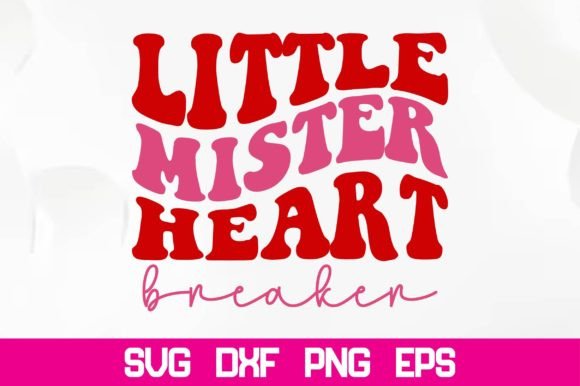
The name itself sets a playful, slightly mischievous tone. "Little Mister Heart Breaker" suggests nostalgia, perhaps leaning into mid-century retro aesthetics or vintage cartoon styles. When you first load the vector into your software, the immediate takeaway is its clean, bold personality. It feels like a character-driven piece rather than a generic decorative element. For a crafter or small business owner, this distinction matters. Generic hearts are everywhere; a character with attitude stands out on a shelf or in an Etsy listing.
The design’s layout appears to rely on strong outlines and distinct shapes, which is crucial for embroidery. Unlike intricate watercolor-style graphics that often turn into muddy blobs when stitched, this design seems built for definition. It screams for high-contrast thread choices. I imagine this working beautifully as an applique design where the background fabric provides the base color, or as a solid fill stitch piece where the silhouette pops against a contrasting garment. The visual weight is balanced, making it suitable for chest placements on apparel or centered layouts on tote bags.
Real-World Application: From Screen to Stitch
I recently considered using a similar style of graphic for a custom order of baby onesies for a boutique nursery collection. The client wanted something gender-neutral but charming, with a touch of humor. Little Mister Heart Breaker Retro SVG fits that brief perfectly. However, moving from a digital preview to a physical embroidery project requires careful planning.
For custom apparel like sweatshirts or hoodies, this design would excel. The retro vibe pairs naturally with heavyweight cotton blends often used in streetwear-inspired kids' clothing. On a tote bag design, whether canvas or jute, the bold lines ensure legibility even if the customer is viewing it from a distance at a craft fair. It also translates well to aprons for baking classes or kitchen-themed gifts, adding a splash of personality to utilitarian items.
Consider the holiday embroidery angle. Valentine’s Day is saturated with traditional red hearts, but a retro-styled character offers a fresh twist that appeals to parents looking for unique personalized gifts. It bridges the gap between cute and cool, which is exactly what modern handmade shops need to differentiate themselves from mass-produced imports.
Technical Considerations and Fabric Choices
While the design is visually appealing, no machine embroidery design is created equal in terms of execution. The success of this file depends heavily on the materials you pair it with. Here is where practical experience comes into play.
Fabric Texture and Stability: If you are stitching this onto a stretchy knit fabric, such as a jersey t-shirt or a baby bodysuit, you must use a high-quality tear-away or cut-away stabilizer. Without proper support, the curves of the retro shape may pucker, ruining the crispness of the design. For woven fabrics like denim or canvas, the structure is more forgiving, but you still need to hooping securely to prevent shifting during the dense stitch phases.
Thread Color Contrast: Because the design relies on clear shapes, low-contrast thread choices can make it disappear. A dark navy heart on a black shirt will lack impact. Instead, opt for classic combinations: white thread on black denim, bright yellow on blue chambray, or pastel pink on cream linen. Testing these combinations in a printable mockup before cutting fabric can save you hours of re-stitching.
Hoop Size and Density: Always verify the hoop size required by the file. If the design is large, you might need to split it or choose a larger garment. Conversely, if it is too small for a cap or hat, the details may get lost. Check the stitch density carefully. If the fill areas are too dense, the fabric may become stiff and uncomfortable, especially for baby embroidery where softness is paramount. If the design includes tiny lettering or fine details, ensure your machine can handle that resolution without breaking threads.
Where to Use Caution
- Small Hoop Sizes: Avoid cramming this design into a 4x4 inch hoop if it contains multiple elements. Crowding leads to overlapping stitches and messy edges.
- Textured Fabrics: Bouclé wool or heavy fleece can hide the definition of the design. Stick to smooth surfaces for the best result.
- Dense Stitch Areas: If the design has large blocks of solid fill, consider digitizing it with a lighter density or using applique techniques to reduce bulk.
- Curved Surfaces: Stitching on caps or sleeves requires a curved hoop attachment. Ensure your workflow accounts for this distortion.
Commercial Viability and Brand Consistency
For the Etsy seller or craft business owner, the value of a design extends beyond its appearance. It is about consistency and professionalism. Little Mister Heart Breaker Retro SVG offers a cohesive theme that can be expanded into a product line. You could create matching designs for siblings, different colorways for seasons, or integrate it into a broader "Retro Kids" collection.
This versatility boosts buyer engagement. Customers trust sellers who present a unified brand aesthetic. When your finished product looks polished—clean edges, no loose threads, appropriate backing—the perceived value increases. A well-executed embroidered patch or sweatshirt embroidery command higher prices because it signals quality craftsmanship.
Furthermore, having the file in editable formats like EPS or DXF allows you to adapt the design for various uses. You might resize it for a kitchen towel, combine it with text for a pillow cover, or isolate a single element for a digital product preview. This flexibility maximizes the return on your investment in the asset.
Final Designer Notes
Before committing to a production run, always test the design on scrap fabric. Inspect the corners for sharpness and check the transition between different stitch types. If the file includes running stitch details, ensure they are not so fine that they break easily. Confirm your licensing rights, especially if you plan to sell the handmade product commercially. Some files are for personal use only, while others allow commercial sales of finished goods.
In conclusion, Little Mister Heart Breaker Retro SVG is a strong candidate for designers seeking a blend of nostalgia and modern appeal. It works well across a range of Graphics and Crafts applications, from personalized gifts to small shop products. By paying attention to fabric choice, stabilizer usage, and thread contrast, you can transform this vector into a stunning embroidery file that delights customers and elevates your brand. It is a versatile tool in the arsenal of any serious maker.